

Last week, I wrote something that resonated with many of you: Doctors aren’t always okay.
This week, I want to tell you about two doctors who weren’t okay.
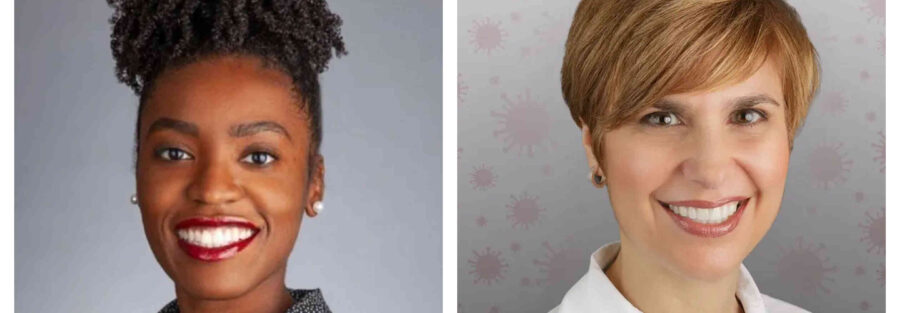
Their names were Dr. Lorna Breen and Dr. Nakita Mortimer. Two women. Two physicians. Two deaths by suicide, three years apart.
I am not putting their stories beside each other to compare their deaths. Pain is not a competition, and neither is loss. I am asking something different:
What did medicine hear?
Dr. Lorna Breen was an emergency physician and medical director in New York City who cared for patients during the earliest months of COVID-19. She died by suicide in April 2020. Her family turned their loss into advocacy, eventually helping inspire the Dr. Lorna Breen Health Care Provider Protection Act, which became federal law in 2022.
Three years later, Dr. Nakita Mortimer died by suicide.
Nakita was a Haitian-American Black woman and first-year anesthesiology resident at Montefiore. She was also an advocate. Before her death, she helped organize residents seeking better working conditions and spoke publicly about physician wellness.
We cannot know everything that led either woman to suicide. Suicide is complex. But neither should we look away from the environments in which physicians are trying to survive.
A 2024 systematic review and meta-analysis published in The BMJ examined 39 studies from 20 countries and found that female physicians had a suicide rate ratio 1.76 times that of women in the general population.
These aren’t just numbers.
They are women walking into hospitals wearing white coats and taking care of everyone else, sometimes while wondering whether it is safe to admit that they need someone to take care of them.
There Is Another Woman in This Story
Me.
I am a Black woman physician.
And I have been suicidal.
I survived.
Lorna did not.
Nakita did not.
I do not write those sentences lightly.
And there are countless physicians still here who may never have been suicidal but are exhausted, overwhelmed, struggling, or afraid of what asking for help might cost them.
So as September comes to an end, I keep returning to one question:
Is medicine listening while physicians are still here?
Not just when someone dies. Not just when a hashtag trends. Not just during Suicide Prevention Month or on National Physician Suicide Awareness Day.
Because doctors aren’t always okay.
We know that now.
The question is what we are going to do with what we know.
Let’s Keep the Conversation Going
If you work in healthcare, I want to know:
What is actually happening where you are to make it safer for healthcare professionals to say, “I am not okay”?
Hit reply and tell me. I read your responses.
And come back next week. I want to close Suicide Prevention Month by talking about the physicians who are still here.
Including me.
Next week: Where do we go from here?
With love,
Dr. Lulu®
If you or someone you know is struggling or in crisis, call or text 988 to reach the 988 Suicide & Crisis Lifeline or text HOME to 741741.